
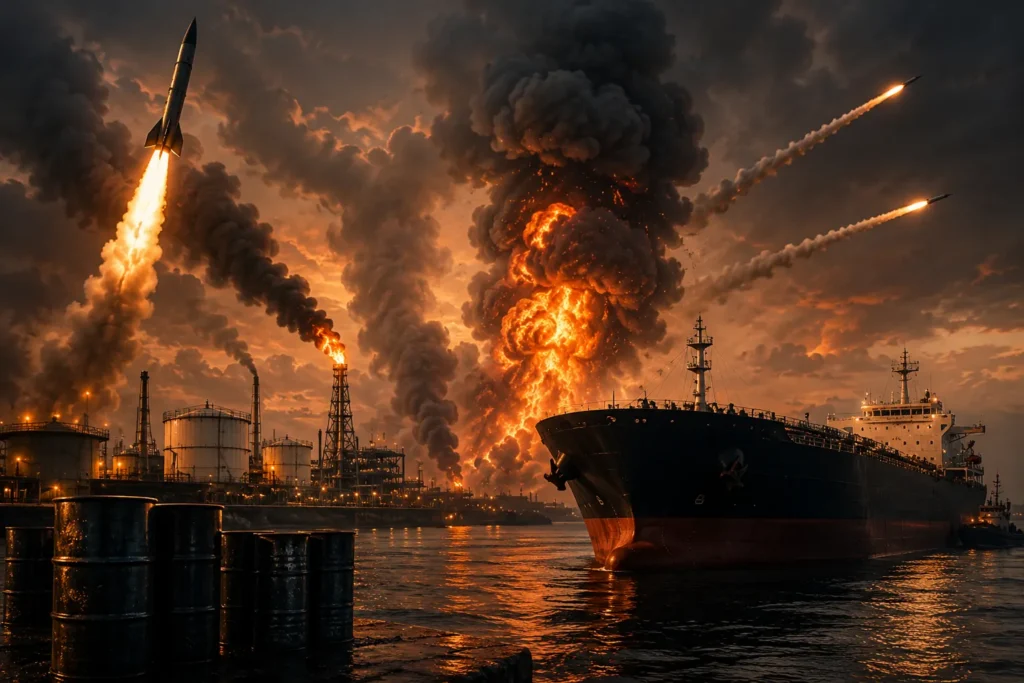
Global energy markets remain under pressure as tensions surrounding Iran and the Strait of Hormuz continue raising concerns about fuel supplies, shipping disruptions, and economic stability worldwide.
The Strait of Hormuz remains one of the world’s most important energy routes, carrying a significant share of global oil and gas shipments. Ongoing instability in the region has forced governments, shipping companies, and financial markets to closely monitor developments. Reuters recently reported that tanker traffic through the strait has been heavily disrupted since the conflict intensified earlier this year.
Oil prices have experienced sharp volatility as fears over supply shortages continue affecting global markets. Earlier this month, Brent crude prices surged after reports of attacks on vessels and energy infrastructure in the Gulf region.
Although prices eased slightly following renewed diplomatic discussions between the United States and Iran, uncertainty remains high. Reuters reported that traders reacted positively to signs of possible peace negotiations, but analysts warned that reopening and stabilizing shipping routes could still take considerable time.
Energy experts also continue warning that prolonged disruption in the Strait of Hormuz could create wider economic consequences.
The International Energy Agency recently said global commercial oil inventories are falling rapidly as the crisis places pressure on supply chains and energy reserves.
Several countries across Asia and Europe remain especially vulnerable due to heavy dependence on Middle Eastern energy imports. Rising fuel prices are also increasing concerns over inflation, transportation costs, and broader economic slowdown risks.
Industry leaders say the situation highlights how geopolitical instability in critical energy regions can quickly impact global markets and everyday consumers.
Despite ongoing diplomatic efforts, shipping activity through the Strait of Hormuz remains far below normal levels. Reuters reported that only limited tanker movement has resumed in recent weeks compared with pre-conflict traffic volumes.
Financial markets are expected to remain highly sensitive to developments in the Middle East as governments and investors continue watching for signs of either further escalation or a possible breakthrough in negotiations.
For now, uncertainty surrounding global fuel supplies remains one of the biggest concerns facing international markets.



3 Responses
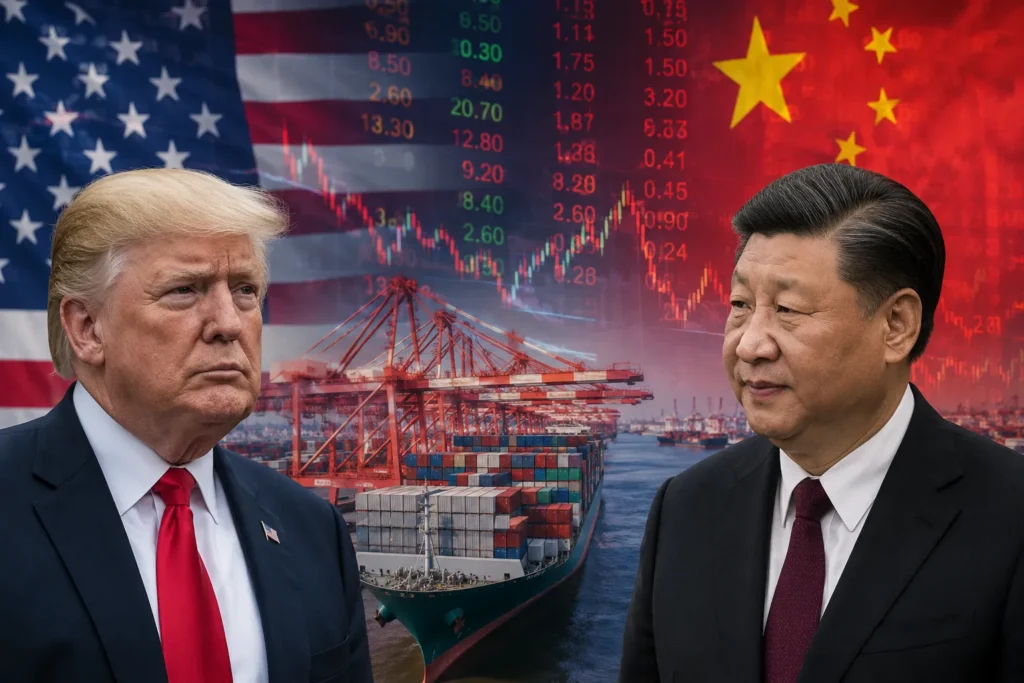
Another reminder that when the world’s two biggest economies clash, every market feels the pressure. The real challenge now is whether diplomacy can move faster than economic uncertainty.
I appreciate the detailed explanation. Great job! https://traderzo.com/
The explanation fits well with the broader discussion of price action.
mastering price action trading