
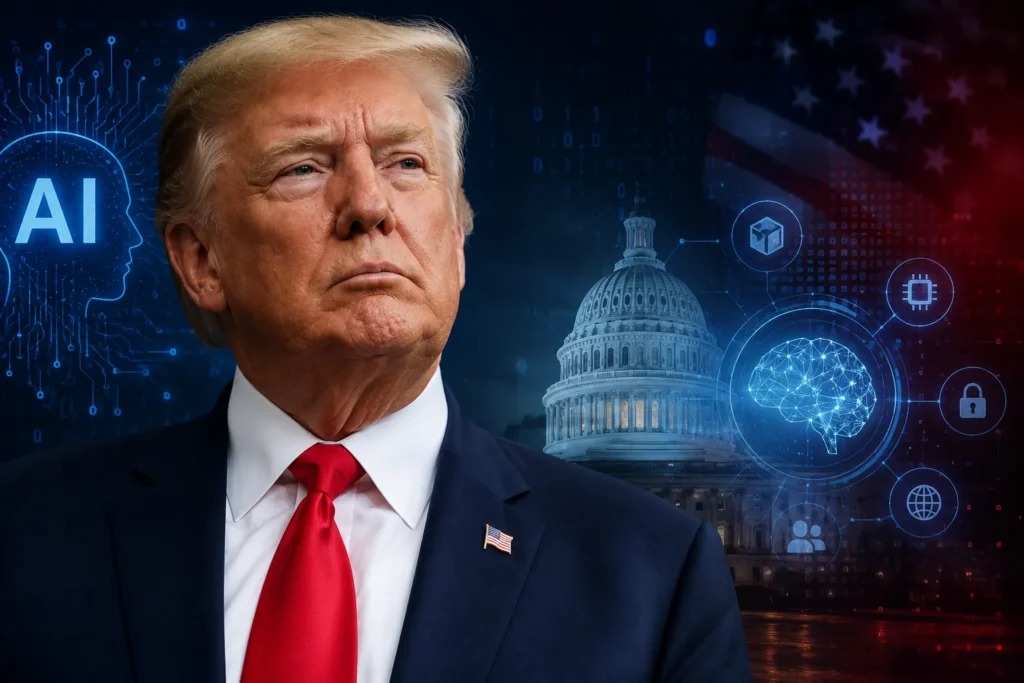
The debate surrounding Donald Trump’s artificial intelligence strategy is intensifying after reports revealed that a planned White House executive order on AI oversight was unexpectedly delayed amid growing pressure from major technology leaders.
The proposed order would have introduced a voluntary review system for advanced AI models before public release. Supporters argued the framework could help reduce cybersecurity risks and prevent misuse of powerful artificial intelligence systems. However, critics inside the administration and Silicon Valley reportedly feared the move could slow American innovation and weaken the country’s competitive edge against China.
The decision to pause the order has sparked wider discussion across the tech industry about how governments should regulate rapidly advancing AI technologies.
Several major technology companies and investors have pushed for a lighter regulatory approach, arguing that strict oversight could damage growth in one of the world’s fastest-moving industries. Reports indicate that influential tech figures privately lobbied the Trump administration to reconsider parts of the proposal before it was expected to be signed.
At the same time, cybersecurity experts and policy analysts continue warning that increasingly powerful AI systems could create new risks involving cyberattacks, misinformation, fraud, and national security.
The Trump administration has largely focused on maintaining US leadership in artificial intelligence while reducing regulatory barriers for companies developing advanced models and infrastructure. Previous White House policy frameworks also emphasized limiting state-level AI restrictions and accelerating investment in data centers, chips, and AI development.
The issue is becoming increasingly political as lawmakers, tech executives, investors, and regulators debate how far governments should go in controlling AI development.
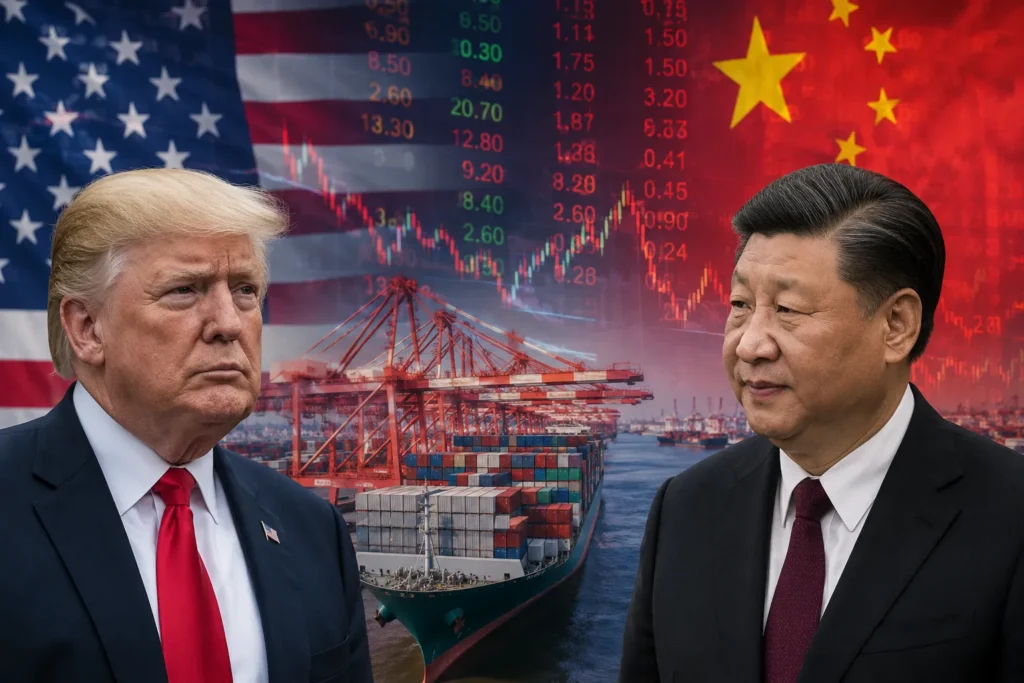
Some experts argue the United States risks falling behind China if regulation becomes too aggressive, while others believe the lack of oversight could create long-term economic and security problems.
The uncertainty is also creating tension inside the technology sector itself.
While some companies support voluntary safety testing and federal standards, others fear even limited oversight could eventually expand into stricter government control over AI systems.
Artificial intelligence has quickly become one of the most important global technology battles, influencing everything from business and education to military systems and economic competitiveness.
As Washington continues shaping its long-term AI strategy, the outcome of the debate could significantly impact the future of technology regulation, global innovation, and the balance of power in the international AI race.



3 Responses
Excellent use of visuals/analogies to explain concepts. https://traderzo.com/top-trading-indicators-every-trader-should-understand/
This article exceeded my expectations. Great job! https://traderzo.com/real-estate-investment-how-to-get-started-and-maximize-returns/
This article exceeded my expectations. Great job! https://traderzo.com/best-trading-platforms-in-2026-features-fees-and-comparison/